
№ 8 Nuts

NUTS

Remix
Ranking


#8

Essential Amino Acids
(EAAs)


see below

Ratio of
Omega-6:Omega-3


see below

Nuts are a nutrient-dense food that can be part of a healthy diet, offering heart-healthy monounsaturated fats, protein, fiber, and a variety of vitamins and minerals. However, understanding their omega profiles is critical for making informed choices. Nuts also have a low glycemic index, meaning they do not cause a rapid rise in blood sugar levels.

The Omega Reality: Most nuts have poor omega-6 to omega-3 ratios, being heavily omega-6 dominant with minimal to zero omega-3 content. Walnuts stand as the exceptional outlier with a favorable 4:1 ratio—they’re the only common nut with meaningful omega-3 content. Brazil nuts (1000:1) and pistachios (60:1) are among the worst offenders, containing virtually no omega-3s while being high in omega-6 fats.

Here are some examples of nuts that are particularly nutritious:

Walnuts
Walnuts are often referred to as “brain food” for good reason. Walnuts are THE NUT for omega-3s—they achieve a 4:1 ratio, making them one of the rare plant foods where omega-3 content is substantial. These nuts are a rich source of alpha-linolenic acid (ALA), an omega-3 fatty acid that supports brain health and cognitive function. Omega-3s are also known for their heart-protective properties, reducing the risk of heart disease and inflammation. Walnuts are high in antioxidants, including vitamin E and polyphenols, which combat oxidative stress and support overall health. These antioxidants, along with their healthy fats, contribute to improved cardiovascular health. Walnuts are an excellent source of plant-based protein, fiber, vitamins (particularly vitamin B6 and folate), and minerals (such as magnesium and phosphorus). All 9 essential amino acids present, though lysine and methionine are limiting.

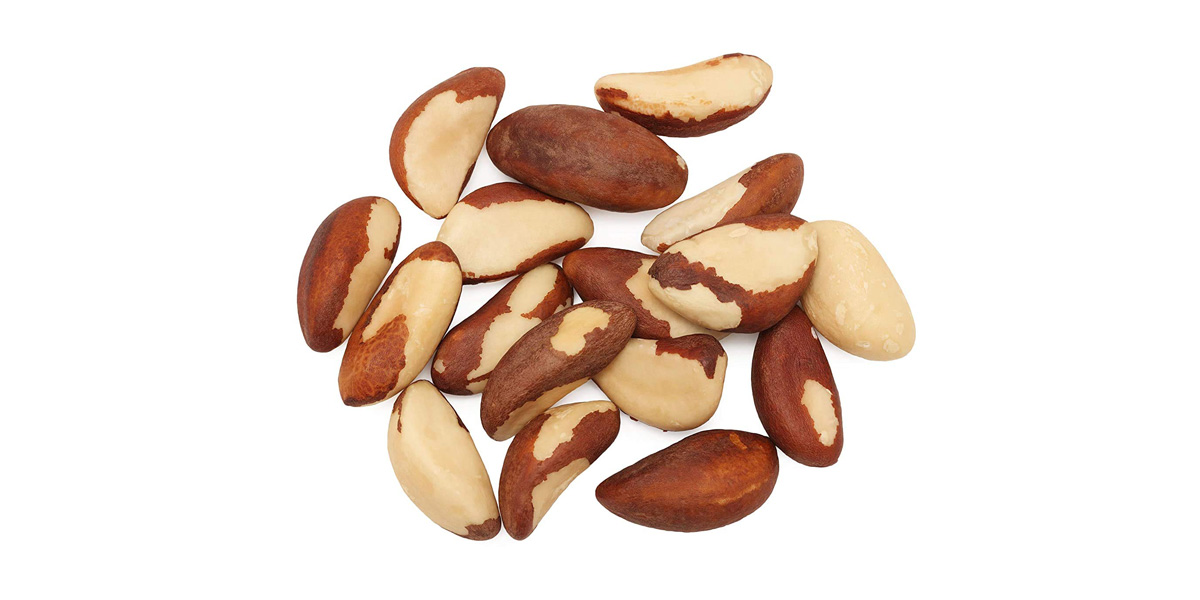
Brazil Nuts
Brazil nuts are a nutritional powerhouse, exceptionally rich in selenium—a trace mineral essential for proper thyroid function and antioxidant well-being. However, Brazil nuts have an extreme 1000:1 omega ratio, containing virtually no omega-3s while being high in omega-6 fats. Just 1-2 Brazil nuts per day can meet your entire selenium needs (each nut contains 68-91 mcg; daily requirement is 55 mcg), but consuming more than 5 nuts daily can lead to selenium toxicity with symptoms like hair loss, brittle nails, and digestive issues. Due to the extreme omega imbalance and toxicity risk, use Brazil nuts specifically as a targeted selenium supplement (1-2 nuts maximum) rather than as a primary fat source or snack nut. When used appropriately, they support thyroid function, protect against oxidative stress, and promote heart health. All 9 essential amino acids present, though lysine and methionine are limiting.

Pistachios
Pistachios offer a wide range of health benefits. These green nuts are a great source of plant-based protein and fiber, making them an excellent choice for weight management and appetite control. They’re also rich in heart-healthy monounsaturated and polyunsaturated fats, which can help reduce LDL (bad) cholesterol levels. However, pistachios have a poor 60:1 omega ratio with minimal omega-3 content. Pistachios contain antioxidants like lutein and zeaxanthin, which support eye health, and they are a good source of essential vitamins and minerals, including vitamin B6, potassium, and magnesium. All 9 essential amino acids present, though lysine is limiting.

Balance Your Plate: Because most nuts are heavily omega-6 dominant, prioritize walnuts when using nuts as a primary fat source. Use other nuts in moderation and pair with omega-3-rich foods like fatty fish, chia seeds, flax seeds, or hemp seeds to optimize overall omega balance.

Eating nuts in moderation can help to lower cholesterol levels, improve blood sugar control, and reduce the risk of heart disease and other chronic conditions. It is also important to choose unsalted nuts whenever possible, as they are lower in sodium and have less of an impact on blood pressure.

Walnuts are THE omega-3 nut with a favorable 4:1 ratio—dramatically better than any other common nut. Most nuts provide 2.5g or less of essential fatty acids, while omega-6 fats dominate (Brazil nuts 1000:1, pistachios 60:1). Walnuts deliver about 9g of omega-3 per 100g—exceptional for plant foods—making them the smart choice when nuts are a significant part of your diet. Just 1/4 cup of walnuts provides the daily recommended omega-3 intake for plant-based ALA.

Walnuts

EAAs: 9/9 (lysine, methionine limiting) | Omega Ratio: 4:1

Nutrition Facts
Serving Size 1 oz (28 g)

Amount Per Serving
Calories 185 Calories from Fat 159
% Daily Value*
Total Fat 18.5g 28%
Saturated Fat 0g 0%
Trans Fat 0g
Polyunsaturated Fat 13.4g
Monounsaturated Fat 2.5g
Cholesterol 0mg 0%
Sodium 0mg 0%
Total Carbohydrate 2.9g 1%
Dietary Fiber 1.9g 8%
Total Sugars .7g
Protein 4.3g 9%

*Percent Daily Values are based on a 2,000 calorie diet. Your daily values may be higher or lower depending on your calorie needs.

Brazil Nuts

EAAs: 9/9 (lysine, methionine limiting) | Omega Ratio: 1000:1

Nutrition Facts
Serving Size 1 oz (28 g)

Amount Per Serving
Calories 186 Calories from Fat 161
% Daily Value*
Total Fat 18.8g 29%
Saturated Fat 4.3g 22%
Trans Fat g
Polyunsaturated Fat 5.8g
Monounsaturated Fat 7.2g
Cholesterol 0mg 0%
Sodium 0mg 0%
Total Carbohydrate 3.5g 1%
Dietary Fiber 2.1g 8%
Total Sugars .6g
Protein 4.1g 8%

*Percent Daily Values are based on a 2,000 calorie diet. Your daily values may be higher or lower depending on your calorie needs.

Pistachios

EAAs: 9/9 (lysine limiting) | Omega Ratio: 60:1

Nutrition Facts
Serving Size 1 oz (28 g)

Amount Per Serving
Calories 156 Calories from Fat 111
% Daily Value*
Total Fat 13g 20%
Saturated Fat 0g 0%
Trans Fat 0g
Polyunsaturated Fat 3.9g
Monounsaturated Fat 6.6g
Cholesterol 0mg 0%
Sodium 0mg 0%
Total Carbohydrate 8g 3%
Dietary Fiber 3g 12%
Total Sugars 2g
Protein 6g 12%

*Percent Daily Values are based on a 2,000 calorie diet. Your daily values may be higher or lower depending on your calorie needs.