


№ 3 Fatty Fish
FATTY
Fish
Remix
Ranking
#3
Essential Amino Acids
(EAAs)
9/9
Ratio of
Omega-6:Omega-3
See below
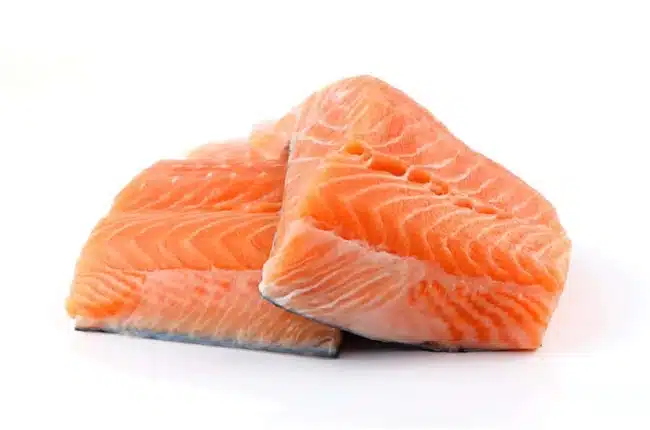
Fatty fish are among nature’s most exceptional omega-3 powerhouses, delivering one of the rare foods where omega-3 fatty acids dramatically exceed omega-6s—an inverted ratio that sets them apart from virtually all other whole foods. They are abundant in omega-3 fatty acids, particularly eicosapentaenoic acid (EPA) and docosahexaenoic acid (DHA), which are essential for various aspects of health.
The Omega Advantage: Wild fatty fish like salmon (1:10), tuna (1:10), and sardines (1:15) provide omega-3 dominant ratios—meaning you get 10-15 times MORE omega-3s than omega-6s. This exceptional profile helps balance diets heavy in omega-6 foods and directly supports heart health by lowering triglycerides, reducing inflammation, improving blood vessel function, and lowering blood pressure. Regular consumption of fatty fish has been linked to a decreased risk of heart disease and stroke.
Omega-3 fatty acids are essential for brain health and cognitive function. EPA, in particular, is a major structural component of brain tissue and supports memory, learning, and mood regulation, including fatty fish in your diet may help reduce the risk of cognitive decline and neurodegenerative disorders like Alzheimer’s disease.
Fatty fish are also an excellent source of high-quality protein, making them an important part of a balanced diet. Complete Protein with all 9 essential amino acids, they provide a wide range of nutrients including vitamins D and B12, iodine, and selenium. Vitamin D, in particular, is critical for bone health and a well-functioning immune system.
Wild vs. Farmed: Wild-caught fatty fish (particularly salmon, sardines, and mackerel) offer the best omega ratios due to their natural diet of omega-3-rich krill and small fish. Farmed fish can still provide good omega-3 content but typically have higher omega-6 levels from grain-based feed—wild is the gold standard when available.

There are two essential fats our bodies can’t manufacture: Omega-3 and Omega-6. Wild-caught fatty fish deliver the best omega profile from the food we eat. Omega-3s have been shown to help prevent heart disease and stroke, may help control lupus, eczema, and rheumatoid arthritis, and may play protective roles in cancer and other conditions. Omega-3 fats are a family of polyunsaturated fats—with fatty fish providing the most bioavailable forms (EPA and DHA) your body can use immediately, unlike plant-based omega-3s (ALA) which require conversion.